PCOD (Polycystic Ovarian Disease) is one of the most commonly seen hormonal disorders among women today, especially in the reproductive age group. In clinical practice, many women with PCOD commonly present with symptoms such as irregular menstrual cycles, weight gain, acne, hair fall, mood fluctuations, fatigue, and difficulty maintaining a healthy lifestyle.
While the symptoms may vary from person to person, the underlying concern is usually related to hormonal imbalance and insulin resistance. The increasing prevalence of sedentary lifestyle, stress, poor dietary habits, inadequate sleep, and lack of physical activity has contributed significantly to the rise of PCOD cases in recent years.
The positive aspect is that early lifestyle correction and proper nutritional support can play a major role in managing PCOD symptoms and improving overall hormonal health.
Understanding PCOD
PCOD is not just a gynecological issue; it is a metabolic and hormonal condition that affects multiple aspects of a woman’s health. Hormonal imbalance can interfere with ovulation and menstrual regularity, while insulin resistance may contribute to weight gain and difficulty losing weight.
Many women often focus only on symptomatic treatment, but long-term management requires addressing the root causes through sustainable lifestyle modifications.
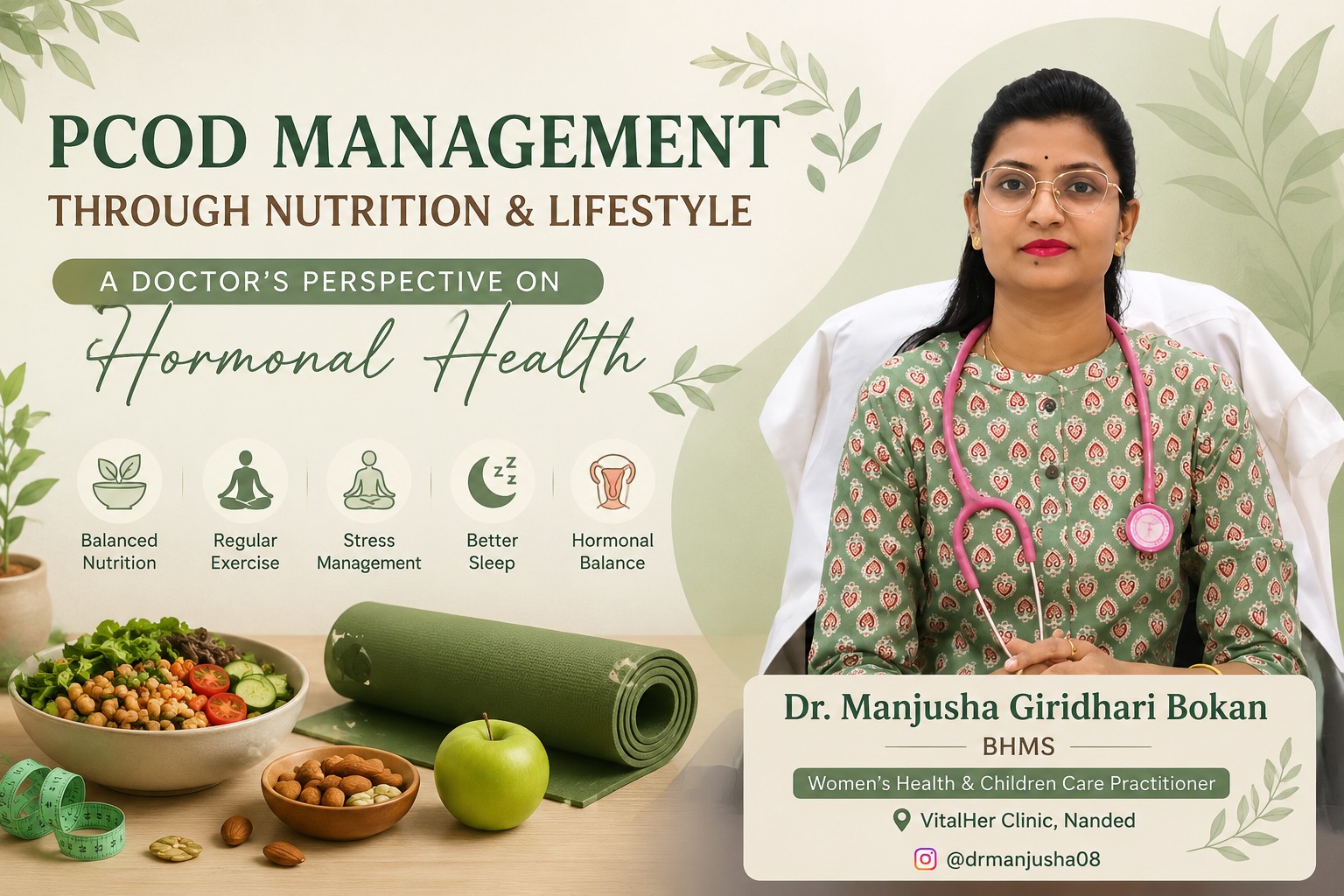
A holistic approach involving balanced nutrition, regular exercise, stress management, proper sleep, and medical guidance is considered highly beneficial in PCOD management.
Importance of Nutrition in PCOD Management
Nutrition plays a crucial role in hormonal balance and metabolic health. Dietary habits directly influence insulin sensitivity, inflammation, energy levels, and body weight.
One of the primary goals in PCOD management is maintaining stable blood sugar levels and improving metabolism naturally.
Foods That May Support Hormonal Health
1. Protein-Rich Foods
Protein helps improve satiety and supports metabolic health. Including foods such as lentils, paneer, eggs, sprouts, curd, and nuts may help maintain energy levels and reduce unhealthy cravings.
2. Fiber-Rich Foods
Vegetables, fruits, oats, and millets are rich in fiber and may help improve digestion, insulin sensitivity, and weight management.
3. Healthy Fats
Healthy fats from seeds, nuts, and moderate amounts of traditional fats like ghee can support overall hormonal function when consumed in balanced quantities.
4. Iron and Calcium-Rich Foods
Women with irregular menstrual cycles may require adequate iron and calcium intake to support general wellbeing and nutritional health.
Foods to Limit
Women with PCOD are generally advised to reduce:
- Excess sugar intake
- Sugary beverages
- Processed and packaged foods
- Frequent junk food consumption
- Highly refined flour-based foods
These foods may contribute to inflammation, weight gain, and worsening insulin resistance.
Lifestyle Modifications for Hormonal Balance
Regular Physical Activity
Exercise is one of the most effective lifestyle interventions in PCOD management. Activities such as brisk walking, yoga, strength training, stretching, and regular movement help improve insulin sensitivity and support weight management.
Even 30–45 minutes of daily physical activity can positively impact hormonal health over time.
Sleep and Hormonal Health
Sleep is often an overlooked aspect of women’s health. Inadequate or poor-quality sleep can negatively affect hormones, appetite regulation, stress levels, and metabolism.
Maintaining a proper sleep schedule and aiming for 7–8 hours of quality sleep daily is highly recommended.
Stress Management
Chronic stress can increase cortisol levels, which may indirectly affect hormonal balance and menstrual health. Stress management techniques such as meditation, breathing exercises, journaling, and mindfulness practices may help support emotional and hormonal wellbeing.
Importance of Sustainable Habits
One of the biggest mistakes women make during PCOD management is following extreme diets or unsustainable routines. Temporary changes often lead to temporary results.
Instead, long-term consistency with balanced nutrition and realistic lifestyle habits is far more effective and sustainable.
Small daily improvements can create significant long-term health benefits.
Traditional Nutritional Support
Traditional Indian nutritional practices have long emphasized the importance of wholesome foods, herbal preparations, and nutrient-dense ingredients for women’s health.
When combined with a balanced lifestyle and proper medical guidance, traditional nutritional support may help improve overall energy, recovery, and wellbeing.
Final Thoughts
PCOD management requires a comprehensive and patient-centered approach. It is not about quick fixes or temporary diets, but about understanding the body and supporting it through healthy lifestyle practices.
Balanced nutrition, regular exercise, stress management, proper sleep, and timely medical guidance can significantly help in improving hormonal balance and quality of life in women with PCOD.
With awareness, consistency, and the right support system, women with PCOD can successfully manage their symptoms and lead healthier lives.
Written by Dr. Manjusha Giridhari Bokan (BHMS)
Women’s Health & Children Care Practitioner
VitalHer Clinic, Nanded
Instagram: @drmanjusha08