


 Nuskha Maa
−
×
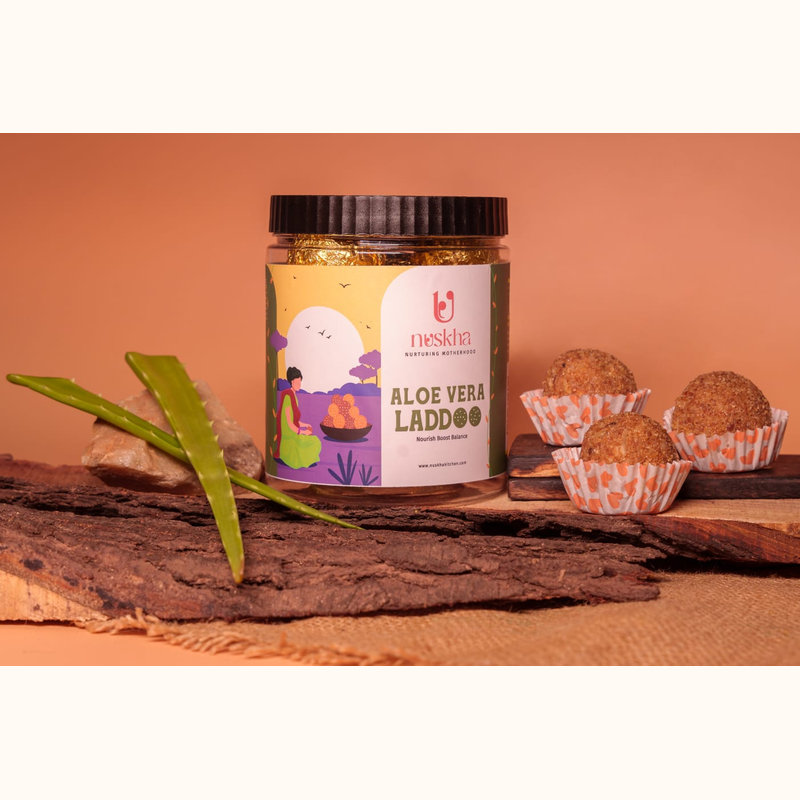
Winter is a time when many people enjoy traditional Indian sweets, homemade laddus and seasonal foods. Along with popular options like Gond Laddu, Methi Laddu and Dry Fruit Laddu, Aloe Vera Laddu is another interesting traditional-style sweet that brings together a familiar Indian food format and an ingredient widely known in skincare and wellness conversations.
Aloe vera has a long history of traditional use. While it is commonly associated with skincare, certain properly processed forms of aloe vera are also used in food preparations.
But what exactly is Aloe Vera Laddu? How is it prepared, what ingredients are commonly used, and what should you know before including it in your winter diet?
Let's explore.
Aloe Vera Laddu is a sweet preparation made using food-grade aloe vera along with ingredients such as ghee, flour, nuts and a sweetener. Recipes can vary depending on regional traditions and preparation methods.
Unlike ordinary sweets, this preparation uses aloe vera as one of its distinctive ingredients.
A typical recipe may include:
Food-grade aloe vera pulp or processed aloe vera
Ghee
Wheat flour or another suitable flour
Almonds and other dry fruits
Jaggery or sugar
Cardamom or other flavouring ingredients
The exact ingredients and proportions depend on the recipe. It is important to use aloe vera specifically processed and intended for food use.
Aloe vera is a succulent plant that has been used in traditional practices for generations. Its clear inner gel is different from the yellow latex found beneath the outer leaf skin.
Some important points to understand:
Aloe vera gel contains a high proportion of water.
It is used in certain food and beverage preparations.
The inner gel and the outer leaf latex are not interchangeable.
Food products should use appropriately processed, food-grade aloe vera.
Not every aloe vera preparation is suitable for eating. The processing method and quality of the raw material matter.
The taste, texture and nutritional composition of Aloe Vera Laddu depend on its recipe.
1. Aloe Vera
Food-grade aloe vera is the distinctive ingredient in this laddu. The inner gel is used in some food preparations after suitable processing.
It is important to avoid raw, unprocessed aloe vera leaf preparations because the yellow latex contains compounds that may cause adverse effects.
2. Ghee
Ghee adds richness, aroma and a smooth texture to the laddu. It also contributes dietary fat and energy.
The amount used affects the overall calorie content.
3. Flour
Wheat flour or another flour may be used to give the laddu structure and texture.
It contributes carbohydrates and, depending on the flour, some dietary fibre and other nutrients.
4. Nuts and Dry Fruits
Almonds, cashews and other dry fruits may be included for flavour and texture.
They contribute fats, some protein, fibre and minerals.
5. Jaggery or Sugar
A sweetener helps bring the ingredients together and gives the laddu its characteristic taste.
Jaggery is still a source of added sugar, so portion size is important.
There is no single nutritional value for all Aloe Vera Laddus because recipes differ.
The nutritional composition depends on:
The quantity and type of aloe vera used
The amount of ghee
The flour used
The type and quantity of nuts
The sweetener
The size of each laddu
For accurate nutritional information, check the product's nutrition label or a recipe-specific nutritional analysis rather than assuming all Aloe Vera Laddus have the same composition.
Aloe Vera Laddu can be enjoyed as an occasional traditional-style sweet if it is prepared with food-grade, properly processed aloe vera and suits your dietary needs.
Here are a few practical points:
Check the ingredient list before buying.
Choose products made with food-grade aloe vera.
Follow the recommended serving size.
Be mindful of the sugar and ghee content.
Enjoy it alongside a varied diet rather than using it as a meal replacement.
Winter nutrition should include a variety of foods such as seasonal vegetables, fruits, whole grains, pulses, nuts and seeds.
Different Indian laddus use different ingredients and have their own flavour profiles.
| Laddu | Common ingredients |
|---|---|
| Aloe Vera Laddu | Food-grade aloe vera, ghee, flour and sweetener |
| Gond Laddu | Edible gum, ghee, flour and nuts |
| Methi Laddu | Fenugreek seeds, ghee, flour and sweetener |
| Sonth Laddu | Dry ginger, ghee, flour and sweetener |
| Dry Fruit Laddu | Nuts, seeds and dates or other sweeteners |
The nutritional value of each depends on its ingredients, recipe and serving size.
Although aloe vera is used in some food products, not every form of the plant is safe to consume.
Keep these points in mind:
1. Choose food-grade aloe vera
Only use aloe vera products specifically processed and intended for food consumption.
2. Avoid unprocessed aloe latex
The yellow latex found beneath the leaf skin contains compounds such as aloin. Oral consumption may cause abdominal cramps, diarrhoea and other adverse effects.
3. Check the ingredients
Read the label for aloe vera processing details, added sugar, ghee, nuts and possible allergens.
4. Seek professional advice when needed
People who are pregnant, breastfeeding, taking medication or managing an existing health condition should consult a healthcare professional before consuming aloe vera-based products.
Aloe Vera Laddu can be included as a small sweet treat in your food routine.
A few simple suggestions:
Follow the serving size mentioned on the product label.
Enjoy it as part of a snack rather than replacing a balanced meal.
Include fresh fruits and seasonal vegetables in your daily diet.
Maintain variety in your winter food choices.
Avoid assuming that a sweet containing aloe vera provides the same effects as a skincare product or medicinal preparation.
Myth 1: Every aloe vera product is safe to eat.
Fact: Only appropriately processed, food-grade aloe vera should be used in food products. Raw leaf latex is not suitable for casual consumption.
Myth 2: Aloe Vera Laddu can replace a balanced diet.
Fact: It is a sweet preparation, not a complete meal. A varied diet is important for meeting nutritional needs.
Myth 3: All Aloe Vera Laddus have the same nutritional value.
Fact: Ingredients and proportions vary, so their nutritional composition can differ.
Myth 4: Traditional ingredients do not require precautions.
Fact: Even traditional food ingredients need to be used appropriately. Food safety, processing and portion size matter.
Aloe Vera Laddu is an interesting addition to the variety of traditional-style Indian sweets. Its distinctive ingredient makes it different from familiar winter laddus such as Gond, Methi and Sonth.
If you enjoy this preparation, pay attention to the quality and processing of the aloe vera, the complete ingredient list and the recommended serving size.
This winter, enjoy traditional foods mindfully and make balanced nutrition a part of your everyday routine.